
Electrical Work: How Dangerous Is It Really?
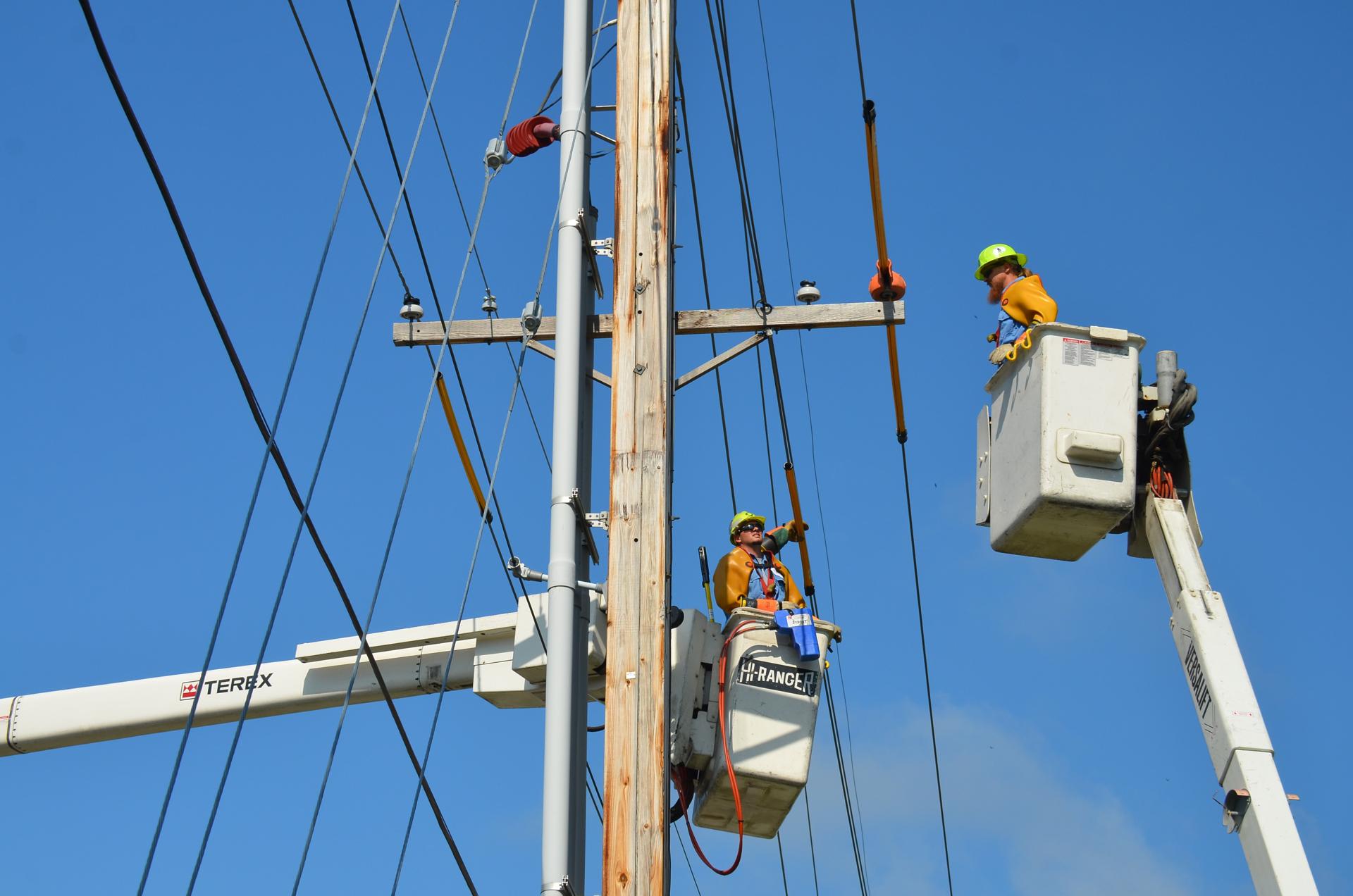
Being an electrician is a career which comes with a certain risk, but it’s also one that is secure with the proper measures. Here at Local Electrician Doncaster, we take security seriously and consider it essential to inform our clients about the risks of working with electricity, and the best ways to prevent accidents.
Statistics of Electrical Accidents:
Electrical accidents can happen at work and at home. According to the Electrical Safety Foundation International, there were more than 2,000 electrical deaths in the United States from 2003 to 2018. The leading causes of these deaths are electrical fires and electrocution.
One of the best ways to stay safe from electrical hazards is to hire an accredited electrician. They have the expertise and experience to handle electrical work effectively and safely, thus reducing the chance of accidents.
Safety Precautions:
One of the most important safety measures electricians can adhere to is wearing protective gear, such as gloves, eye protection, and insulated tools. They must also shut off power prior to starting work, and employ lockout/tagout procedures to ensure{ that the|| that} power stays off while they perform their work.
If you’re a homeowner, it’s crucial to not attempt electrical work on your own. Even seemingly simple tasks, like changing an outlet or lighting fixture, could be dangerous if not done properly. It’s best to call a licensed professional to handle any electrical work.
Training and Certification
To become a licensed electrician an individual must complete an extensive course of study and pass a certification test. This assures them of having the knowledge and skills to work with electricity safely and efficiently. We at Local Electrician Doncaster, we only employ licensed electricians, which means you can be sure that electrical work will be done correctly.
Conclusion:
As a summary, being an electrician is not without hazards, but they are minimized with right precautions. Here at Local Electrician Doncaster, we take safety very seriously and would like our clients to understand the necessity of hiring a licensed electrician to meet their electrical requirements. Remember, for any electrical services you need, you are able to call Local Electrician Doncaster at 1300 933 820.
FAQ:
What do I do if have an electrical malfunction?
If you experience an electrical emergency, the first thing you should do is to shut off the power source to the affected area and call an experienced electrician. Never attempt to fix the issue on your own, as it could be risky.
What is the best method to avoid electrical accidents at your home?
The best method to avoid electrical accidents at home is to hire an authorized electrician for any electrical work you need done. Additionally, make sure to not over-load outlets, and use extension cords with care and repair broken electrical cords and equipment.
Can I make my own electrical repairs or should I always hire an electrician?
While it may be tempting to try for savings by performing your own electrical work, it’s not recommended. Electricity work is dangerous, and it’s best to hire an authorized electrician who has the expertise and training to do the task safely.
How do I know if an electrician is licensed and qualified?
To confirm you know that the electrician is licensed and certified, you can check with the licensing board in your state or ask to see their certificate and license. At Local Electrician Doncaster, all of our electricians are licensed and qualified.
What kinds of electrical services do Local Electrician Doncaster offer?
We are Local Electrician Doncaster, we offer various electrical services, including electrical repair and installation, electrical panel upgrades, lighting installation and much more. Contact us at 1300 933 820 to learn more about our offerings and the ways we are able to help clients with their electrical needs.